When marketing teams make promises about an apartment community that contradicts what renters see or experience for themselves, it breaks their trust. That pain carries further than just a "lost" lead, but into reviews every future prospect will see.
Over-edited photos. The generic, "change your life" marketing slogans that every other community uses though they're hardly ever proven to match reality. Not showing the actual rent price of a unit. All come from the bait-and-switch playbook that renters see through as being purposefully misleading.
Renters recently started feeling this way about how rent prices were being marketed online. They were tired of finding out what they'd actually pay per month right before signing their lease. So Greystar listened.
Its properties began listing the total monthly lease price online with all fees included. Then over the next year, they asked 50,000+ prospects and residents if knowing the full rent price was helpful. 98% said yes—shocking, we know!
If renters pushed back that hard on things like additional fees hidden behind the listed rent price, what other areas in your apartment marketing strategy also break their trust?
1. The photos and videos of your apartments online look nothing like what they do in-person.
As AI grows in its capacity to deliver media content, the temptation for marketers to use it to edit or enhance the photos and videos of their apartment communities is becoming harder to resist. Especially if they're worried about how the appearance of their property, units, or amenities compares with others.
But this can result in the most upsetting bait-and-swich marketers can create. Presenting photos and videos online that are over-edited, or outright changed, to make an apartment community look better than how it actually appears once renters see it in-person, is a major violation of their trust.
🛠️ The diagnosis & fix: Your tour-to-lease and closing rates will show that there's a disconnect between what renters see online and what they see in-person, which is why visits aren't converting. The fix is to use real photos and videos of your community online, using ethical edits and always disclosing AI use in situations where it's necessary.
2. Your apartment ads and their landing pages say two different things.
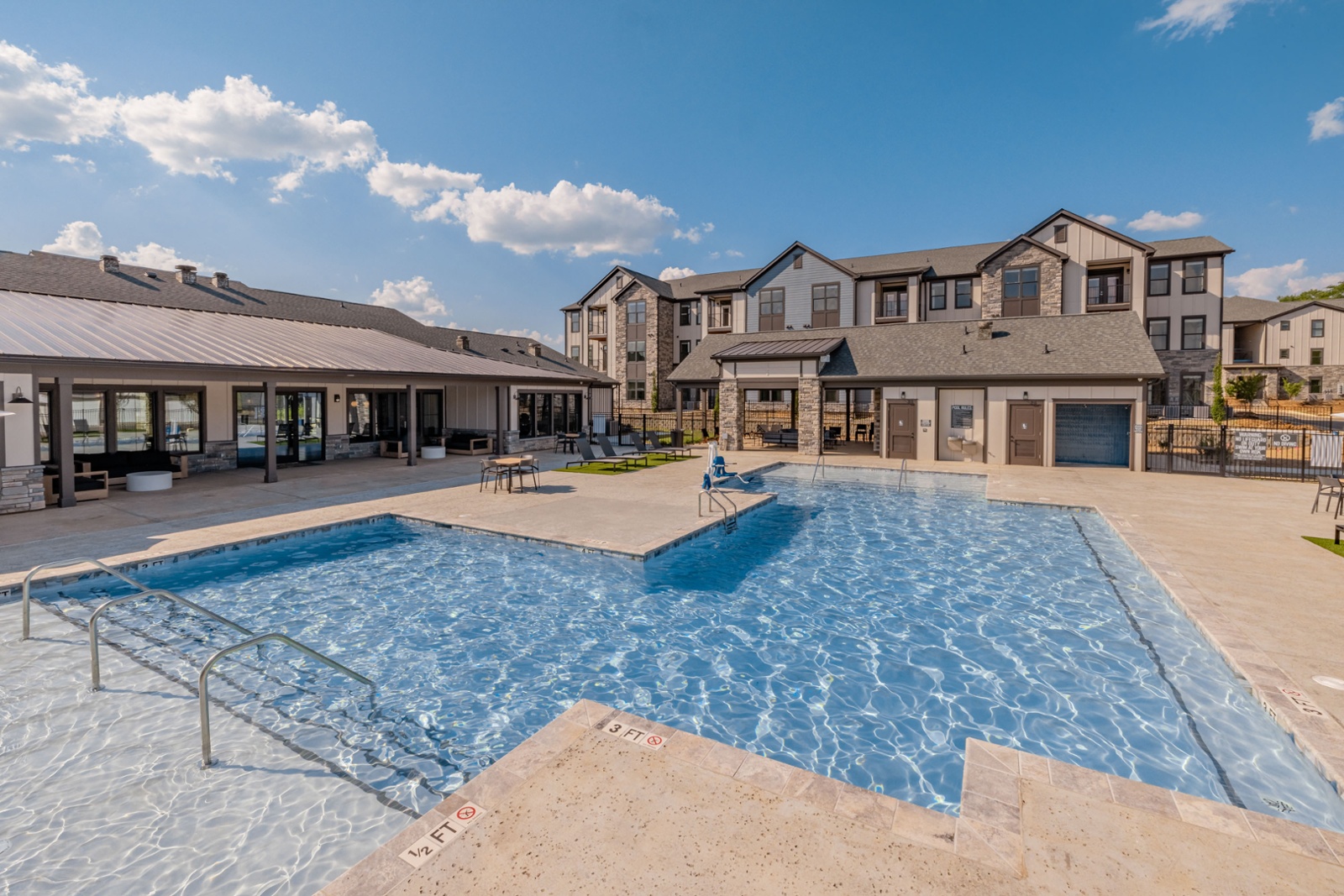
A prospect goes to Google and searches "Best apartments in the River Market area." Great news—your community's ad is featured at the top of the page with an attractive photo of your pool next to the headline "Best Apartments in River Market - Available Now!"
The ad hits all the checkmarks, and it's driving clicks. But then the prospect gets to your website, and—putting it nicely—"best apartments" may have been a bit exaggerative. The property is good, but the first impression renters get from seeing it online? They feel tricked.
Now every dollar you're spending on that ad is being wasted, because what renters were promised in the ad was broken once they visited your landing page.
🛠️ The diagnosis & fix: Look at clicks, cost-per-lead, and website bounce rates. If your ads are generating higher clicks at low costs, but paid traffic is leaving your website right away, that's a problem. Read more about the digital ads and apartment websites flywheel, and learn why you must ensure every ad you're running shares the same message and content renters would see when they click and visit your landing pages.
3. Pricing and availability are mismatched across your online platforms.
Your ILS listing says your rents start at $1,400. AI repeats that price to a prospect. A visit to your community website shows nothing under $1,700.
Another renter discovers your studio floorplan, clicks to see availability, and applies for the last unit listed. Except it was leased last week.
These mismatches make your communities appear dishonest about price and availability. That is a tough perception to change.
🛠️ The diagnosis & fix: Audit rent prices and availability across your major channels—ILS listings, the website, Google, and what AI reports back. Any variance is a gap. Also, check-in with on-site teams and see if they're routinely having to correct price or availability during calls or tours. The root cause could be data syncs and integrations between platforms that don't speak to one another very easily. Here's how to fix rent price and unit availability mismatches across your marketing channels.
4. Rent prices are shown as a broad range.
Continuing on that same track, if an ILS and AI says rents start at $1,400, but your website shows rent as ranging from $1,400-$2,300, renters immediately raise the red flag.
Unless they go into your application portal online to find the real unit-by-unit price for a standard lease, they're going to assume that you brought them to the door by touting one price but are actually going to charge them another that's $900 more. Though we know that range is reflecting the varying price by lease term, renters don't. If you confuse, you lose.
🛠️ The diagnosis & fix: Check your website engagement and its conversion rate to see if there's a dropoff point, usually on floorplan pages or your online application portal. The best practice for displaying rents online is to only show one price for the 12-month term.
5. The community website can't answer the four basic questions renters ask.
If renters visiting your website can't immediately find the answers to these four basic questions—what's available, what's the rent price, what does the unit or floorplan look like, can I tour—then it's not fulfilling its role as your community's single source of truth.
When pricing and availability are missing or confusing, or it's unclear what exactly your units look like because all interior photos are dumped into a generic gallery page, or you're lacking virtual tours that let renters—it all comes off as misleading. It tells the renter, "You are going to have to take a lot of extra effort to either visit or call or work through a less-than-helpful AI chatbot in order to find what it is you're looking for."
That is an invitation for them to find another community whose website actually answers their questions.
🛠️ The diagnosis & fix: Look closely at website engagement, lead-to-tour rate, leasing velocity, and many other general website performance metrics. Following the blueprint of building apartment websites that convert can ensure its content matches what renters need.
6. Your marketing sounds too good to be true.
Do your website, socials, and resident testimonials all share the real story in a way that reflects what you say your community offers? Or is there a noticeable disconnect between your messaging and what real renters are saying on Reddit or Google?
Renters are always going to compare the lifestyle portrayed to them in your marketing to their real experience. What's difficult is that sometimes, you won't know there's a gap between marketing's expectations and a resident's reality until after they've moved out or left a review.
Each time they went to the gym, the equipment was usually broken down. They hardly ever saw anyone working in the leasing office. Their maintenance issues weren't addressed right away.
While these experiences aren't something marketers control, their frustrations usually fall back on what they were promised upfront. The amenities and customer service were portrayed as luxury, exceptional—the same general marketing slogans. But it all sounded too good to be true.
🛠️ The diagnosis & fix: Reputation management is its own marketing channel. Be responsive to reviews. Then ensure your marketing messaging is real and authentic, matches with who your target audience is, and—more importantly—is verifiable. Less fluff, more proof.