
 David Watson
The Right Way to Do Multifamily Revenue Management
 David Watson : January 26, 2026
David Watson, RentVision Founder and CEO, explains how to navigate multifamily revenue management regulation with a focus on compliance, avoiding...
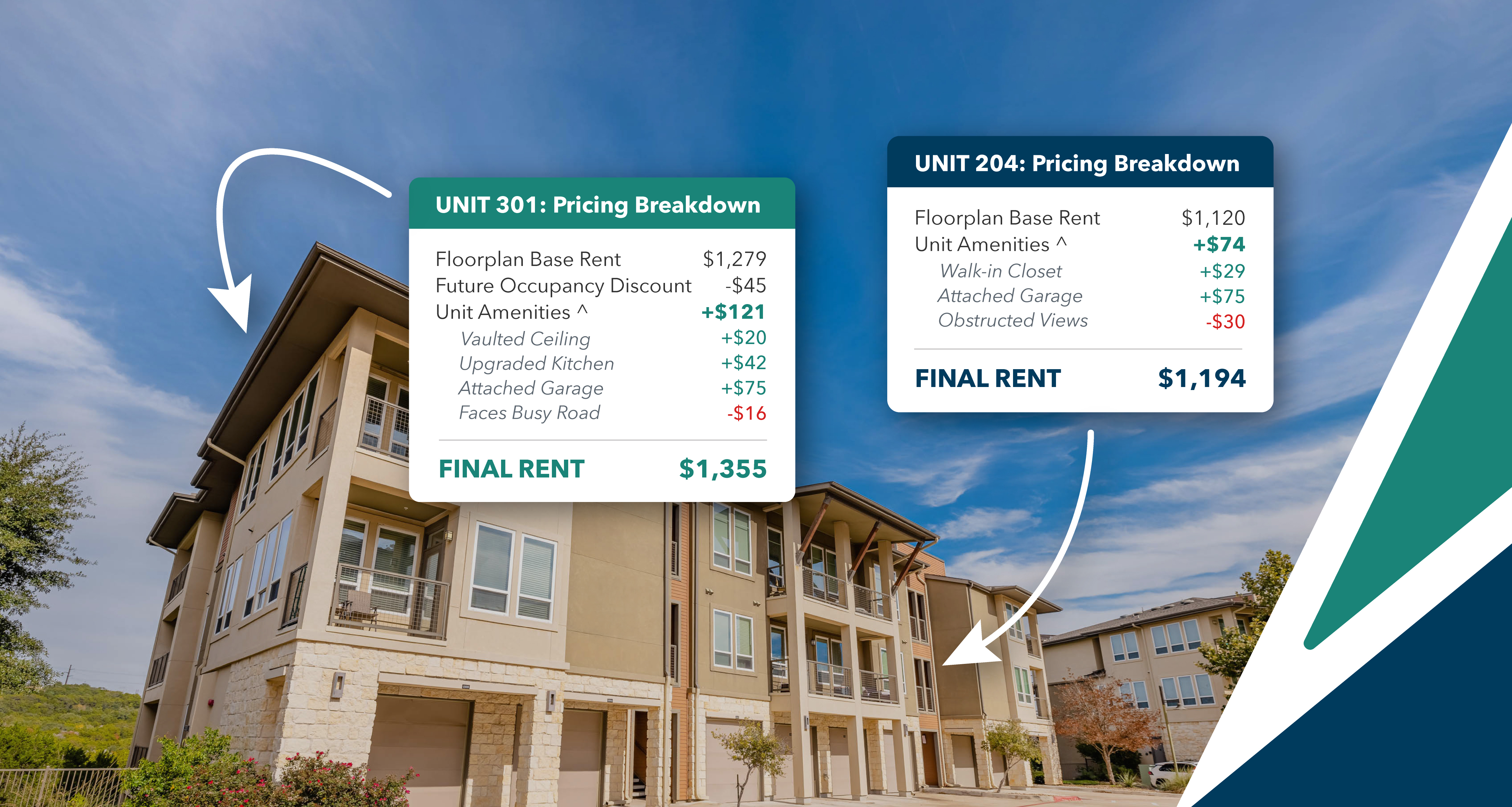
It's been over 15 years since I started RentVision out of my property management company. The vision I laid out at the time was that we would develop a predictive leasing platform that optimizes marketing AND revenue management.
While we're mostly known for our dynamic marketing solutions, improving how apartment operators set rent prices has always been a part of RentVision's identity.
Long before lawsuits and regulations dominated the discussion, we built a revenue management software that only used first-party data—your supply and demand—to set prices.
As more states and cities put forward legislation impacting rental pricing software, I want to explain how RentVision Revenue Management is the right solution for apartments going forward.
As many of you know, multifamily revenue management and rental pricing software have come under intense scrutiny over the past few years.
It started with the Department of Justice's antitrust lawsuit complaining that one company's apartment pricing software shared non-public data to help property management companies collude in artificially inflating rent prices.
Even after its settlement, we're still seeing revenue management tools and the data their algorithms use being put to question.
Case in point: New York's Pricing Algorithm Law.
The core objective of New York's pricing algorithm law is to prevent the coordination of shared data via centralized pricing tools.
The law, which goes into effect on December 15, 2025, prohibits:
The law does not ban:
New York's not alone. Many other states such as Nevada, as well as cities like San Francisco, Seattle, and Philadelphia, have attempted to push similar legislation impacting rental pricing software.
That rising trend now leaves many apartment owners and operators uncertain about what impacts these potential laws could have on how they set their rent prices.
From day one, we built RentVision Revenue Management to be the most transparent and trustworthy pricing tool for apartments. Here's why:
We have always believed this is the morally right way for revenue management software to work.
Sharing private data amongst competing landlords to set rent prices creates circular dependencies that, on the surface, behave closely with the price collusion schemes alleged within many revenue management lawsuits.
I've always believed—even as a landlord—that using market and competitor data to set rents is risky and leads to poorer outcomes. Why? All that does is force a bunch of communities in a market to react to each other's pricing—even though their circumstances are entirely independent.
Ultimately, that not only looks bad on the surface, but it also causes landlords to lag behind what they should actually be charging.
RentVision Revenue Management produces a superior pricing outcome for renters and operators by ONLY factoring in an individual community's unique supply and demand data, including:

Many operators are seeing the risks of using this data and are worried about the future status of apartment pricing software—especially with the legislation from New York and others.
But if these laws are issued, RentVision Revenue Management would require no product updates to be compliant. It is uniquely positioned to be the price-setting solution that multifamily needs now—and going forward. Not solely based on compliance, but on better, more trustworthy pricing—as we intended it to be when we first began developing it years ago.
If you're looking for multifamily revenue management software that delivers better pricing without using competitor or market data, please reach out! You can email me directly at david.watson@rentvision.com or schedule a demo today to learn more.


Founder and CEO of RentVision
 David Watson : January 26, 2026
David Watson, RentVision Founder and CEO, explains how to navigate multifamily revenue management regulation with a focus on compliance, avoiding...

 Michael Zimmerman : October 15, 2024
Learn how to set apartment rent prices correctly using supply and demand data and avoid common pricing mistakes, which will improve trust with...
 Michael Zimmerman : January 30, 2024
Copying competitors' rent prices could put your apartment community in a bad spot. Here's why using your unique data helps set better rental rates.