
 Michael Zimmerman
How Digital Ads Influence Every Phase of the Apartment Search
 Michael Zimmerman : March 3, 2026
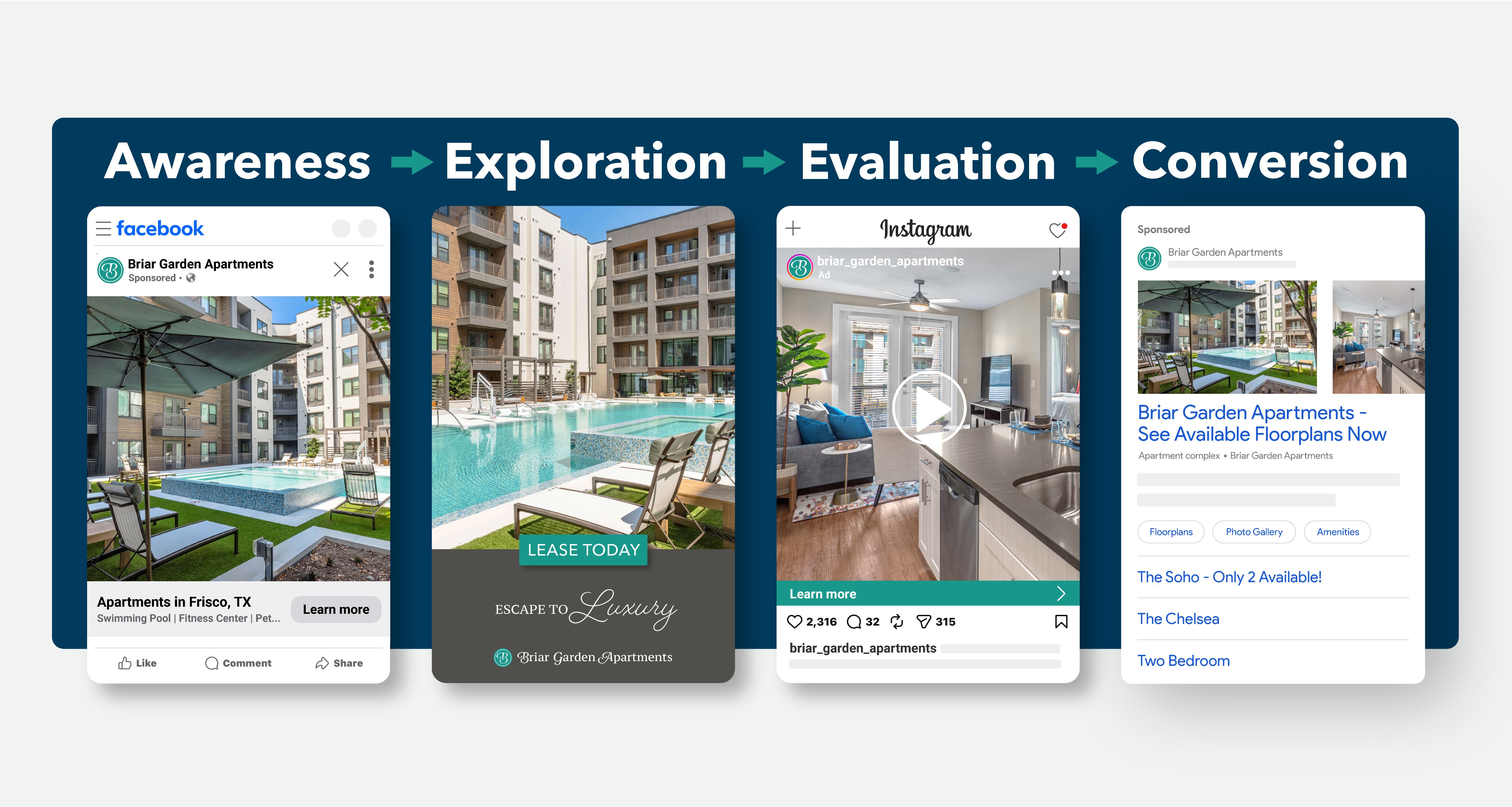
Ads aren't just traffic levers for when vacancies rise. They're essential for generating early demand, shaping renter preferences, and guiding...
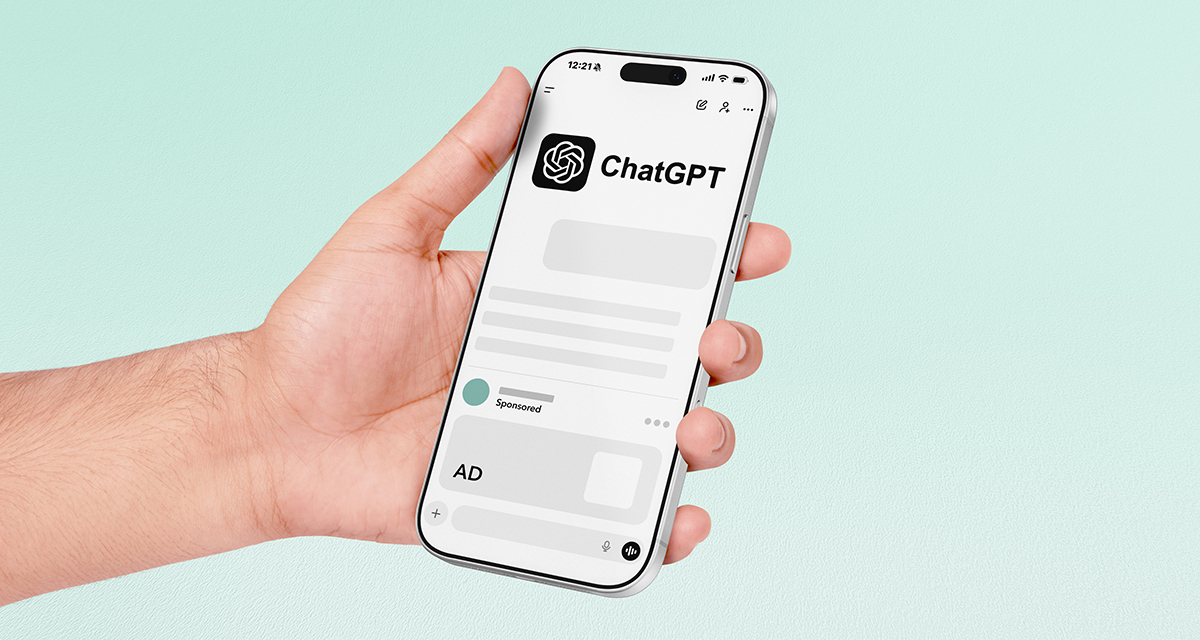
When OpenAI officially confirmed in early 2026 that it would start advertising in ChatGPT, many predicted that it would shake up the digital marketing world.
We're in the early stages piloting ChatGPT Ads for apartment communities and we will be open about the entire process because we know there's both a lot of excitement and uncertainty amongst apartment marketers about the platform's potential.
After completing the initial setup for the first time, it's fair to say that ChatGPT Ads are still in their earliest stages, far different from where Google Ads are today. Instead, they're more reminiscent of where Google Ads was at launch a quarter century ago, when a small group of early adopters bid on keywords for simple, text-only advertisements.
Here are 10 things we learned starting ChatGPT Ads for apartment communities:
Upon first gaining access to ChatGPT's ad platform, you see this:
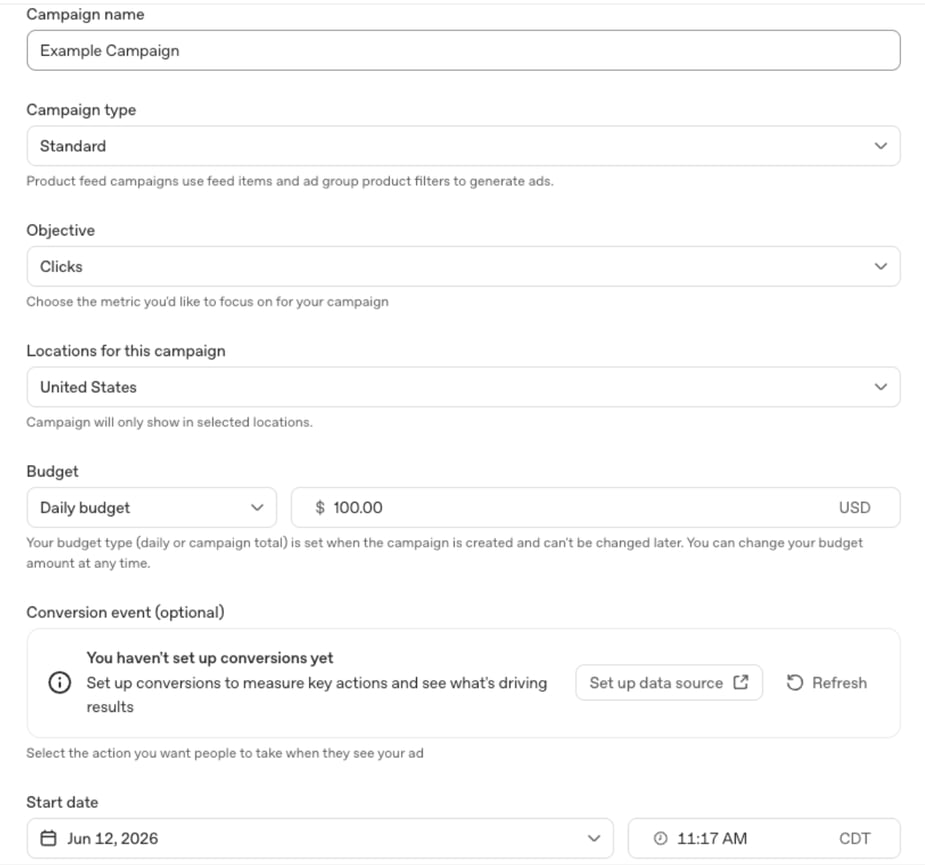
ChatGPT and Google match in their setup hierarchy: you have an ad campaign, an ad group, then an ad itself.
You name your campaign, then select if your objective is either Reach (presumably priced by CPM, or cost per thousand impressions) or Clicks (priced on CPC, cost per click). You also have the option to set a Conversion Event, but that first requires setting up your data sources.
You'll choose which location(s) you want your ads to appear in (we'll get to that), your budget total and if that's a daily or campaign total amount, then complete setup by selecting the start and end dates of your campaign.
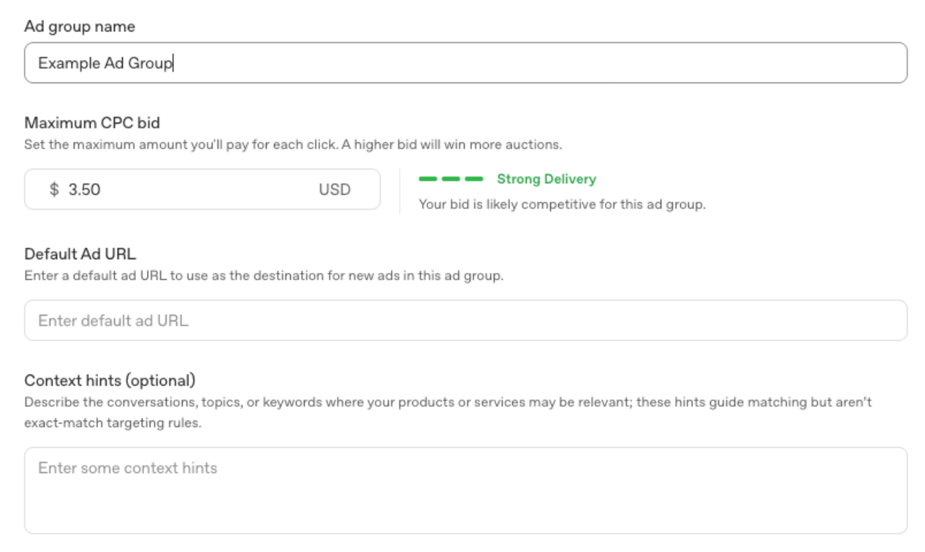
Next, you can create an Ad Group and set a starting bid (we'll also get to that), the default ad URL, and are then asked to provide context hints, a meaningful departure from what Google requires. (This one's big…we'll cover that, too.)
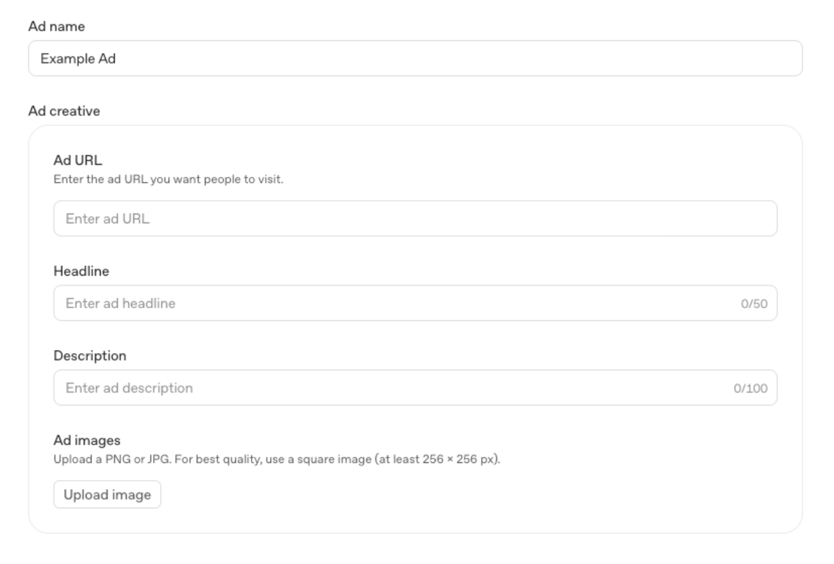
After that, you create the ad itself. Give it a single headline, description, destination URL (if different from default URL for the ad group), and upload one creative image.
While the initial interface for setting up ChatGPT Ads is genuinely clean, it's so much thinner than what you're used to seeing in Google Ads. There you're given many more options to decide who sees your ads, what platforms or ad types you want to prioritize, budgets, goals, etc.
If you're used to all those settings, ChatGPT's ad setup will feel either refreshing or alarmingly bare. There's going to be a clear difference—at least for now—in what you can control with ChatGPT ads.
Like Google Ads when first launched, you're also going to be limited to one ad type consisting of headline, brief text, and small image.
This is the defining categorical shift: While keywords are generally matched by category (i.e., exact, phrase, broad), ChatGPT matches your context hints to the meaning of a conversation.
In setup you're asked to give context hints, or short descriptions describing the conversations, topics, or keywords where your apartment community may be relevant. These are thematic signals (think like romance paragraphs on your community website homepage) that behave more like broad match signals than the exactness of specific keyword lists.
Our early read is that your context hints should be narrow and specific for more control rather than dumping in broad topics.
This could be a big early constraint for multifamily marketers. Advertising for specific floorplans matters because that's usually where vacancy starts, and shifting spend toward your most exposed floorplans is how you stay ahead of it.
In theory, you could build floorplan-specific campaigns, ad groups, and ads in ChatGPT's model. But the context hints you set for a single floorplan can collide with the ones you set for the community or for other floorplans. That overlap makes it harder for the AI to contextualize precisely which campaign should show.
The more workable approach is setting up a community-level campaign with ad groups split by bedroom count, since that's the level where you'd differentiate intent. Each ad group can carry its own context hints tuned to the conversations you'd want that floorplan to surface in, and drive traffic to the right landing page.
Even so, our early read is it'll be hard to expect ChatGPT ads to match the same floorplan-level precision Google Ads offers, where two-bedroom intent maps directly to a two-bedroom campaign.
ChatGPT Ads now supports state, DMA (Designated Market Area), and ZIP targeting, which shipped in late May.
So, geotargeting is more refined than the country-only option when ChatGPT Ads first launched, but there's still no option to target a specific geographic radius around your apartment community's address.
That leaves two imperfect choices: a DMA, which can be enormous relative to one community's true draw area where renters may actually move from, or a hand-assembled ZIP list, which still doesn't trace a clean radius. Geotargeting in ChatGPT is workable, but not as precise or built out as Google.
ChatGPT Ads recommends a starting CPC max bid of $3–$5, but the tool nudges toward the low end.
Here's where it gets strange.
When we tried to set our bid at $2.99, the tool warned that ads "may not deliver." The moment we bumped it to $3.00, the status flipped to "strong." That $3.00 line is a delivery floor the platform suggests, which has nothing to do with your industry, your ad's relevance, or any competitive benchmark. It's the same flat floor for everyone.
Contrast Google, whose CPC benchmarks for apartment ads are deeply segmented after years of data.
Ironically, ChatGPT's platform doesn't generate headlines or descriptions for you. Google and Meta can draft AI copy from scratch; the AI platform makes you write your own. The creative work is fully on you.
There are also no AI-driven signals to suggest how your ad copy will perform, or if the context hints you gave it are relevant or helpful enough for the tool to run on.
One other thing we learned right away is that OpenAI requires an Employer Identification Number (EIN) to open a ChatGPT Ads account. If you're relying on an outside ad agency, you are responsible for setting up the account first before granting the agency access.
For billing, there's two ways to go about it. You can set up the billing profile yourself before granting agency access, or allow your agency to do it once they've gained access. You'll need to decide before launch if you want to pay OpenAI directly to run ads in ChatGPT, or have your agency pass-through the costs.
The honest case for testing now isn't return, it's where you stand as ChatGPT Ads and the platform matures. Competition is still low amongst all advertisers, and especially multifamily.
Running ads now could be beneficial. Agencies move slowly, and the old, five-figure managed-pilot minimum is gone because the floor to run ads appears to be just $25/day. It's also fair to assume early clicks won't be expensive or hard to get.
Plus, you may gain early traction that pays off the more renters search for apartments in ChatGPT.
The honest counterweight is that ChatGPT Ads are still in beta, delivery is thin, and you may serve impressions with little measurable return for a while. Don't add this platform to your apartment marketing strategy today hoping to drive leases this quarter. Start now, measure, test, and build. That's how we're starting.
Untagged ChatGPT traffic lands in Google Analytics as generic referral traffic, so you have to add your own UTMs to the destination URLs you provide in setup to get proper paid traffic attribution.
We'd also break AI traffic out of "referral" into its own analytics channel (an "AI Assistants" or equivalent grouping) so paid and organic AI traffic can be measured against each other instead of buried together.
Hopefully these additional attribution steps are temporary, but it is an early adoption hurdle.
 Michael Zimmerman : March 3, 2026
Ads aren't just traffic levers for when vacancies rise. They're essential for generating early demand, shaping renter preferences, and guiding...
.jpg) Michael Zimmerman : March 24, 2026
Michael Zimmerman : March 24, 2026
Meta Ads play an essential role in apartment marketing, engaging renters early in their search, and generating demand your Google Ads to capture...
 Michael Zimmerman : January 28, 2026
What is Google Ads for apartments? You've come to the right place. Get an explanation of how Google Ads help your multifamily properties here.